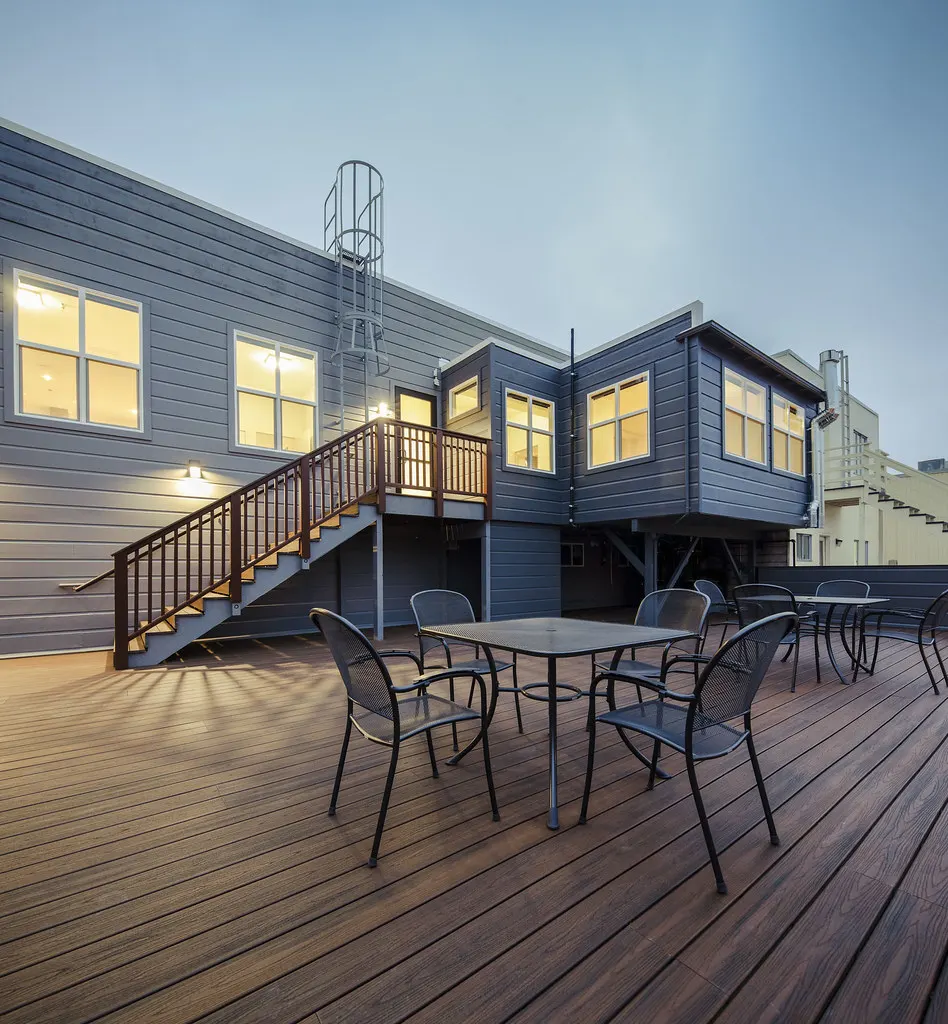
Most decks look fine on the day they're finished. The difference between a deck that lasts and one that sags, rots or pulls away from the house shows up years later, and it almost always comes down to the parts nobody looks at. Footings. Joist spacing. Ledger flashing. Fasteners. Hardware rated for treated lumber.
That's where a good builder puts their attention first. The boards and railings matter, and they should look right. But the parts you don't see matter most.
Decks in Statesville take a beating
- Custom decksDesigned for your house and how you use it
- Composite deckingLow upkeep, on framing that matches
- Pressure-treated decksThe Statesville standard, done right
- Screened porchesShade, storm cover and no bugs
- Repair & rebuildsFrame, ledger and footings checked honestly
- Stairs & railingsNo wobble, even steps, strong posts
- PergolasOpen-roof shade, anchored to real footings
- Sunrooms & 3-season roomsGlass walls on a frame checked to carry them
- Covered decksA solid roof tied in and flashed right
Statesville sits where I-40 and I-77 cross, and the housing here covers a wide range. There are older homes and farmhouses near the historic downtown and out in the county, and there are newer subdivisions going up on the edges of town. Each brings its own deck problems.
On older homes, you often find decks that were added on years after the house was built, sometimes by a previous owner, sometimes with whatever lumber and nails were on hand. The ledger board may be nailed straight to the rim with no flashing. Posts may sit on a block set on bare dirt. Stairs may have been an afterthought.
On newer homes, the deck usually started out as a basic builder-grade platform. It works, but it's often small, has a steep set of stairs, and was framed to the minimum.
Then there's the weather. Iredell County summers are hot and humid. The sun is strong and hits a south or west-facing deck hard all afternoon. Heavy rain comes in bursts and soaks everything. Every spring, pine pollen coats every surface and gets packed into the gaps between boards, where it holds moisture. Pressure-treated pine is the most common deck material around here, and it holds up well when it's built and maintained right. When it isn't, water sits where it shouldn't and rot starts at the joints, the ledger and the post bases.
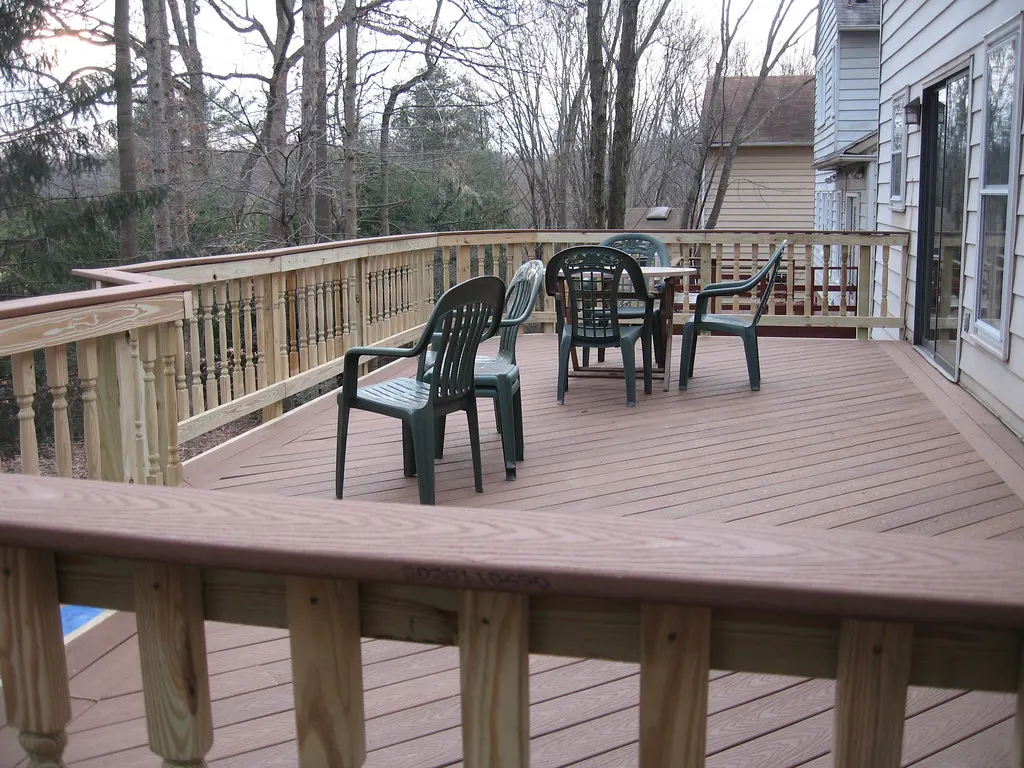
Deck services in Statesville
This site focuses on decks and the outdoor spaces attached to them. Here's what's covered:
- Custom decks. New decks designed for your yard, your house and how you actually use the space, from simple platforms to multi-level layouts.
- Composite decking. Low-maintenance boards that don't need staining, installed with the spacing, fasteners and framing the manufacturer calls for.
- Pressure-treated decks. The most common and most affordable choice in Statesville, framed and fastened to last.
- Screened porches and covered decks. Roofed and screened spaces so you can use the deck through bug season and summer storms.
- Deck repair and rebuilds. Rotted boards, soft joists, loose railings, failing ledgers, and full tear-out and rebuilds when the frame isn't worth saving.
- Deck stairs and railings. Safer stairs, sturdier railings and upgrades like cable, aluminum or composite rail systems.
Want to know what drives the price before you call? Our deck building cost guide explains what moves the number for each type of project.
How it works
The process is simple and in writing, so you know what you're getting before any work starts.
- Call or request a quote. Call (980) 391-6178 or use the free quote form. Tell us what you have in mind and a little about the house and yard.
- Free on-site visit. A local builder comes out, looks at the house, the yard, the slope and the soil, and talks through what you want. If you have an existing deck, they check the ledger, posts, footings, joists and fasteners, not just the surface.
- Written quote. You get a written quote that spells out the size, materials, footing plan, railing and stair details, and what's included. No vague one-line estimates.
- Permits and the build. When a permit is required, which is usually the case for new decks and many rebuilds, the contractor pulls it and schedules inspections. Before any footing holes are dug, NC811 is called so underground utilities get marked.
- Walk-through. When the work is done, the builder walks the deck with you, goes over what was built, and talk about simple care that keeps it in good shape.
Why the hidden parts matter
A deck is a structure that holds people, furniture, grills and sometimes a hot tub several feet off the ground. When one fails, it's usually not the boards. It's the connection to the house or the support underneath.
The ledger and flashing
Where a deck attaches to the house, a board called the ledger is fastened to the house framing. If that connection isn't flashed correctly, water runs behind it and rots both the ledger and the house rim joist. You often can't see it until the damage is well along. A good builder flashes ledgers properly and uses structural fasteners, not nails.
Footings and posts
Posts need to sit on footings that are sized and set to the right depth for the load, with hardware that keeps the post off the concrete so the end grain doesn't wick water. A post buried in dirt or set on a loose block will shift and rot.
Framing and fasteners
Joist spacing affects how the deck feels underfoot and which decking you can use. Composite usually calls for tighter spacing than wood. Hangers, screws and bolts need to be rated for contact with treated lumber, or they corrode. These details aren't exciting, but they're the difference between a deck that feels solid in fifteen years and one that bounces after five.
The cost of waiting
Deck problems rarely fix themselves. A soft spot in a board usually means water has been getting in for a while. A wobbly railing gets worse each season. A ledger that's starting to rot keeps rotting, and it can take part of the house rim joist with it.
Catching problems early often means a repair instead of a rebuild. Here's what to watch for:
- Boards that feel spongy or have dark, soft spots
- Railings that move when you lean on them
- Posts with rot at the base or posts sitting in dirt
- Rust streaks or corroded hangers and nails
- A gap opening between the deck and the house
- Stairs that bounce, lean or have uneven steps
If you see any of these, have it looked at before your next cookout. A free inspection costs you nothing and tells you whether you're looking at a few boards or something bigger.
What a good deck builder won't do
A good builder won't cover a rotten frame with new decking and call it a new deck. They won't skip flashing to save an hour. They won't quote a price over the phone for a job they haven't seen, because footings, slope, height and access change the number too much. And they won't push composite if pressure-treated fits your budget and goals better. Both are good choices when they're built right.
What to ask any deck builder
Even if you get quotes from several builders, a few questions will tell you a lot:
- How will the deck attach to the house, and how will the ledger be flashed?
- What size and depth are the footings, and what hardware connects the posts?
- What joist spacing are you using, and does it match the decking I picked?
- Are the fasteners and hangers rated for treated lumber?
- Who pulls the permit and schedules inspections?
A builder who answers these clearly and puts the answers in writing is one who's thinking about the frame, not just the finish.
Areas we serve
This site covers deck building and repair in Statesville and nearby communities, including Troutman, Harmony, Olin, Stony Point, Cool Spring, Love Valley and Mooresville. If you're in Iredell County and not sure whether you're in our area, call (980) 391-6178 and ask.
Questions people ask
Do I need a permit to build a deck in Statesville?
In most cases, yes. New decks, larger repairs and rebuilds usually require a permit and inspections. The contractor pulls the permit and schedules inspections as part of the job, so you don't have to handle the paperwork yourself. The builder can tell you during the on-site visit what your project needs.
How long does it take to build a deck?
A straightforward pressure-treated deck often takes about one to two weeks of work once materials are on site. Larger composite decks, multi-level layouts and screened porches take longer. Permit timing and weather can add time, and your written quote should include a realistic schedule.
Should I choose composite or pressure-treated decking?
Pressure-treated pine costs less up front and is the most common choice in Statesville, but it needs regular cleaning and sealing. Composite costs more but doesn't need staining and holds up well to sun and moisture. Ask for prices on both at your estimate so you can decide.
Can you repair my deck, or does it need to be replaced?
It depends on the frame. If the ledger, posts, footings and joists are sound, replacing boards, railings or stairs often makes sense. If the framing is rotted or the deck was built without proper footings or flashing, a rebuild is usually the safer and better long-term choice. A good contractor shows you what they find.
What does a new deck cost in Statesville?
It depends on the deck. Composite costs more up front than pressure-treated pine, and a raised deck costs more than a low one. Your actual price depends on size, height, stairs, railings and site conditions, and comes from a free on-site visit and written quote. See our cost guide for more detail.
Do I need to do anything before you dig footings?
No. Before any digging, NC811 is called so public underground utilities are marked. If you have private lines, such as a line to a shed, a well or an irrigation system, let the builder know where they run so the crew can plan around them.