Walk through almost any neighborhood in Statesville and most of the decks you see are pressure-treated pine. It's affordable, easy to work with, strong, and easy to repair. Built right and cared for, a treated deck gives you a lot of years for the money.
Built wrong, it's the deck that's rotting at the posts and pulling away from the house after a decade. The lumber is the same either way. The details make the difference.
What pressure-treated means
Pressure-treated lumber is pine that has been treated with preservatives forced deep into the wood to resist rot and insects. Not all treated lumber is the same, though. Lumber rated for ground contact holds more preservative than lumber rated for above-ground use. Posts, and framing that sits close to the ground or stays damp, should be ground-contact rated. A good builder specs lumber for where it's going, not just what's cheapest on the rack.
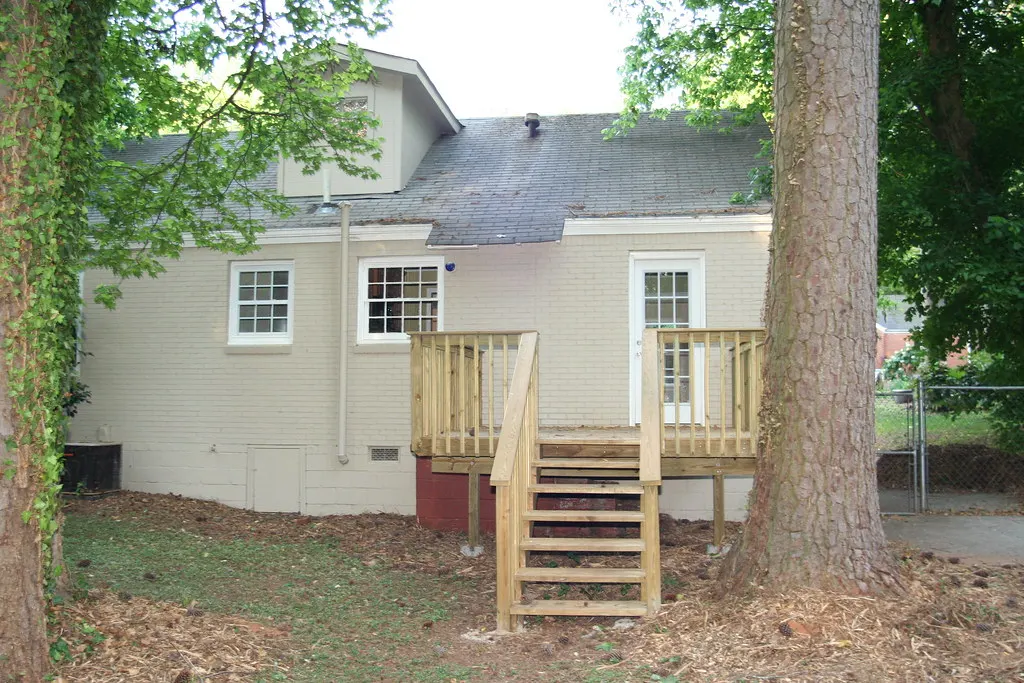
The details that make a treated deck last
Hardware and fasteners
Modern treated lumber is more corrosive to metal than older lumber was. Joist hangers, screws, bolts and post bases need to be rated for contact with treated wood, typically hot-dip galvanized or stainless. Cheap, plain steel fasteners can rust through from the inside where you can't see them.
Ledger flashing
Where the deck meets the house, the ledger needs flashing so water runs off instead of soaking in behind it. Missing or bad ledger flashing is one of the most common problems found on older decks around Statesville.
Posts and footings
Posts should sit on concrete footings with metal bases that hold the end grain off the concrete. Posts buried directly in the dirt or set on loose blocks rot and settle.
Cut ends and drainage
When treated lumber is cut, the inside wood isn't as well protected as the surface. Treating cut ends, using joist tape on the tops of joists, and leaving proper gaps between deck boards all help water drain and dry out fast. Small steps like these add little to the cost of a job and a lot to its life.
Signs your treated deck needs attention
- Gray, cracked or splintering boards
- Soft spots, especially near the house or around posts
- Boards cupping or pulling up at the screws
- Rust stains around nails or hangers
- Railings that move when you push on them
Some of this is surface wear that cleaning and sealing will handle. Some of it is a sign of rot in the frame. Our deck repair and rebuild page explains how to tell the difference.
Caring for a pressure-treated deck
New treated lumber is often wet when it's installed. It needs time to dry, often a few months, before stain or sealer will soak in. After that, plan on cleaning the deck every year, especially after pine pollen season, and resealing every two to three years depending on sun exposure. A south or west-facing deck in full sun will need it sooner.
Skipping maintenance won't make a treated deck fall down overnight, but it lets boards crack and check, which lets more water in.
Treated pine or composite?
Pressure-treated pine is the lowest-cost way to build a solid deck here. Composite decking costs more up front, but cuts out staining and sealing. A common middle path is a treated frame with composite decking on top. Either way, the frame underneath is pressure-treated pine.
Your actual price depends on size, height, stairs and railings. See our deck building cost guide for more, or look at custom deck options if you're starting from scratch.
What to ask any contractor
- What rating of treated lumber are you using for posts and framing?
- Are the hangers and fasteners rated for treated wood?
- How is the ledger flashed?
- When should I stain or seal, and what do you recommend?
Questions people ask
How long does a pressure-treated deck last?
With a good frame and regular cleaning and sealing, a treated deck can last many years. The decking boards usually wear out before a well-built frame does, which is why some homeowners re-deck on the original framing later. Poor flashing and the wrong fasteners shorten the life the most.
When can I stain my new pressure-treated deck?
Treated lumber is often still wet from the treatment process when it's installed. Most of the time you'll wait a few months until the wood dries enough to absorb stain. A simple test is to sprinkle water on the boards. If it soaks in, the wood is usually ready.
Why is my treated deck turning gray?
Sunlight breaks down the wood surface and turns untreated or unsealed pine gray. It's mostly cosmetic, but the gray, weathered surface also cracks and absorbs more water. Cleaning and sealing with a UV-blocking stain slows it down.
Is pressure-treated lumber safe around kids and pets?
Current residential treated lumber uses different preservatives than older lumber did. It's widely used for decks and play areas. Wear gloves when handling it, don't burn scraps, and wash up after working with it, which are standard precautions for treated wood.